AI & IoT-Powered
Smart Governance
Modernizing Infrastructure and Public Services at National Scale
We partner with national government agencies to modernize infrastructure, enhance public services, and strengthen sustainability initiatives using AI-driven intelligence and IoT-enabled automation.
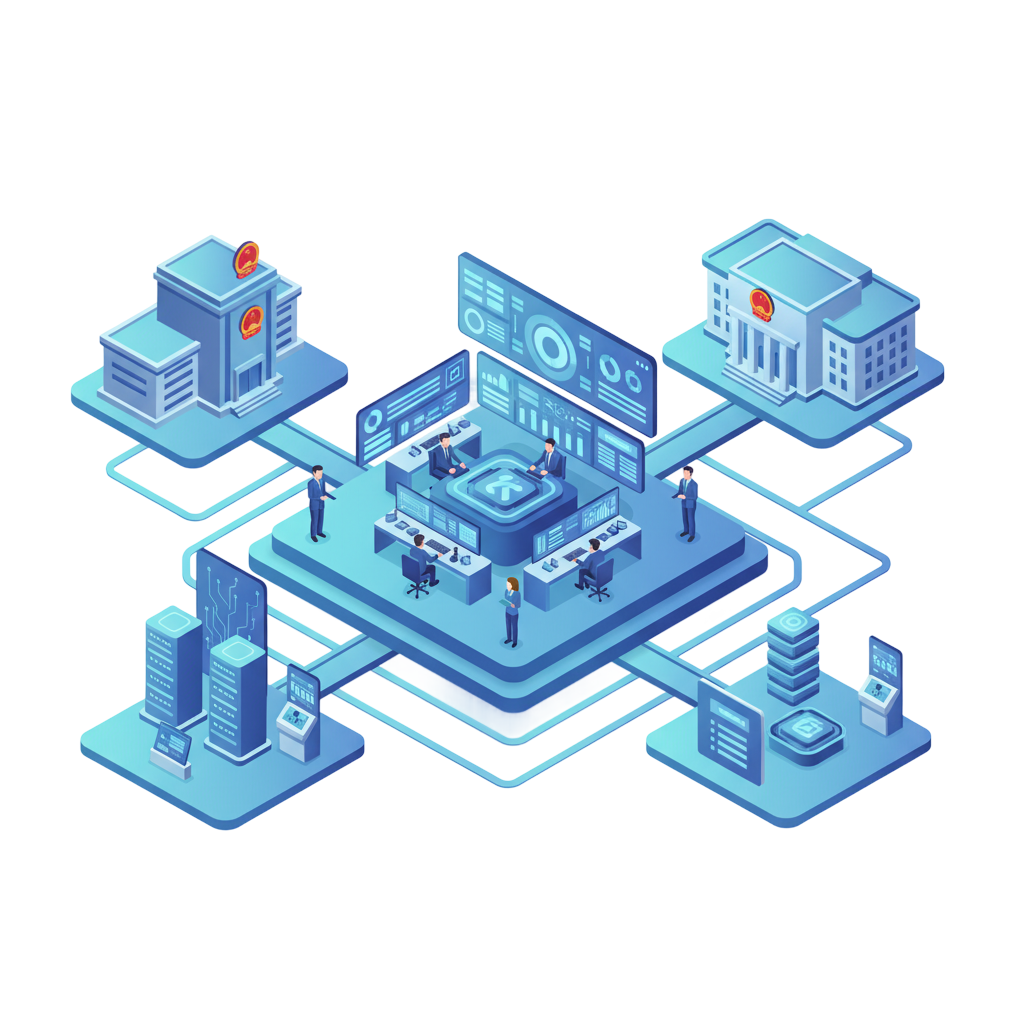
Scale, Complexity & Sustainability Mandates
National governments manage vast infrastructure networks that rely on fragmented data and reactive processes, leading to inefficiencies and rising costs.
Aging Infrastructure
Vast networks of legacy systems—energy, water, and transport—require continuous monitoring to prevent costly failures.
Budget Pressure
Governments must do more with less, optimizing resource allocation and reducing operational waste.
Climate Demands
Increasing environmental risks and sustainability targets demand accurate climate monitoring and disaster response.
Global Supply Resilience
Maintaining national food and energy security in an unpredictable global landscape through predictive analytics.
Data Fragmentation
Siloed data across agencies prevents a unified view for proactive governance and rapid policy response.
Risk Mitigation
Identifying early signs of structural, environmental, or operational risks to ensure public safety and stability.
Governments must move from reactive infrastructure management to intelligent, sustainable governance ecosystems.
Integrated AI + IoT for Intelligent Public Systems
Connecting national assets into a centralized intelligence framework to enable proactive governance and optimized resource use.
Governance Framework
Integrating sensors, field devices, and monitoring systems into a unified public intelligence layer. IoT collect environmental data, while AI analyze trends to automate responses.
Our platforms ensure interoperability and cybersecurity across different governmental departments, providing a unified foundation for smart governance.
Measurable Public Impact
Real-time monitoring of national infrastructure
Reduced operational and infrastructure costs
Improved energy efficiency and grid stability
Enhanced agricultural productivity and food security
Faster emergency response and risk mitigation
Data-driven sustainability and climate policy
National Scalability in Action
Architecting intelligent, secure, and sustainable systems for government infrastructure.
Scenario
Government grids face demand volatility and renewable energy integration challenges.
Technologies Used
How it works
IoT sensors monitor real-time consumption and grid health. AI predicts demand spikes and optimizes power distribution to reduce losses.
Outcomes
Scenario
National agricultural programs need accurate crop monitoring and yield forecasting.
Technologies Used
How it works
Sensors collect soil and climate data nationwide. AI analyzes patterns to forecast yields and optimize water usage for security programs.
Outcomes
Scenario
Critical infrastructure like bridges and highways require proactive health monitoring.
Technologies Used
How it works
Sensors monitor stress-load and environmental impact in real time. AI models identify early flags for structural maintenance before failures occur.
Outcomes
Scenario
Governments must monitor conditions and respond quickly to climate-related pollution or hazards.
Technologies Used
How it works
Sensors track air quality and water levels nationwide. AI predicts hazards and supports early warning systems for disaster response.
Outcomes
Ready to Modernize National Infrastructure?
Let's collaborate to build a smarter, more sustainable, and resilient nation through AI-powered automation.
Schedule a Government Strategy Consultation
Engage with our public sector experts to define your nation's AI and IoT roadmap.
Request a National Solutions Demo
Explore our interoperable grid, agriculture, and infrastructure monitoring solutions.
Connect with Our Public Sector Experts
Get technical advisory on large-scale infrastructure and sustainability deployments.